What Will Wood Burning Stoves Be Like In 100 Years?


Wood Burning Stoves - A Stylish, Comfortable Way to Heat Your Home
Wood burning stoves are a fashionable and comfortable method of heating your home. They are also eco-friendly. They use wood which is a renewable source and produces less CO2 than fossil fuels.
If you purchase local wood or wood from suppliers who promise to replace trees harvested the previous year, your stove will be carbon-neutral. This is known as a closed carbon cycle.
Energy efficiency
Recent data indicates that wood stoves are a significant source of small particulate pollutants. However, a lot of the blame has been attributed to the wrong people as the vast majority of these emissions come from open fireplaces or from roads, not from wood stoves.
Modern log burners can reach up to 80% efficiency. This means that 4/5 of the energy that is stored in the logs is converted to useful heat - an impressive number when compared with older fireplaces and wood burning fires which often struggled to reach greater than 40%-50% efficiency.
One of the primary reasons is that modern log burners burn wood more efficiently. This is due to the combination of a better design and higher quality logs that are dried to high standards. This improved combustion means that less wood is needed to produce the same amount heat, which reduces harmful emissions.
A wood-burning stove can help you save money on heating expenses. While a wood burning stove requires more maintenance than other heating options, the overall cost is much lower. This is due to the fact that you are not tied to an electricity or gas supply, so you are able to avoid price increases by switching to a different fuel, such as wood.
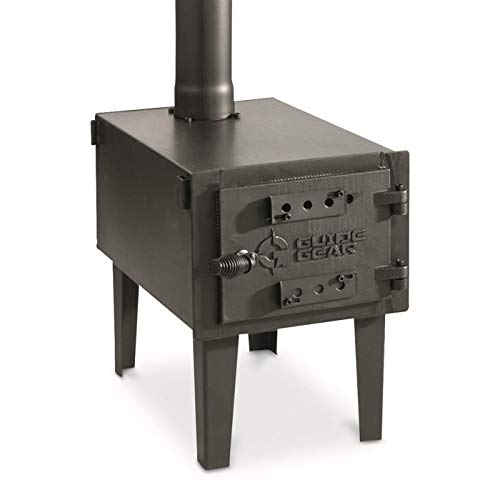
Not only that, but sourcing local for your firewood can provide environmental benefits. Not only will it benefit local businesses, but it could help keep your energy costs down due to the fact that the carbon absorbed by trees during their growth is returned to the atmosphere after they are burned.
Another benefit is the cozy feel that a wood burning stove gives homes. The dancing flames create an unique atmosphere which is difficult to duplicate using other heating methods. This coupled with the warmth they offer ensures that people remain warm and cozy in their homes throughout the winter months. This is especially important since temperatures are predicted to drop in the coming weeks.
Aesthetics
Wood stoves are not just a means of keeping your home warm. They are also an attractive feature in any room. These stoves give you warmth and comfort that can't be achieved by electricity.
Brands like Stovax offer the most modern multi fuel stoves that burn wood. Their sleek and minimalistic exteriors create the focal point of any space, while their advanced combustion systems provide superior heat output with minimal emissions of smoke and particulate matter.
Choose a wood-burning stove made of top-quality materials like steel or cast iron. This will give you durability and long-term use. Choose a stove which has a view window so that you can enjoy the ambiance from anywhere in your house. Pick a stove that features an air control system to allow you to regulate burn rate and heat output.
Firewood is a low-cost fuel source, regardless of whether you harvest and then season it yourself, or purchase it in a store by the cord. Moreover, it offers the possibility of independence and autonomy through avoiding the dependence on power. This is especially useful in the event of power failure or an emergency. A Charnwood Wellbeing Survey for 2021 found that many wood-burning stove owners experience significant health benefits.
Although some may think that the aesthetics and design of a wood-burning stove is a bit unappealing but it's nothing to be ashamed of. Many people install these stoves in order to feel more at ease and at ease in their home. When they do this they're making conscious choices to improve their health.
Real wood burning stoves provide an appearance more natural than pellet stoves. Pellet stoves are typically driven by fans, which results in an artificial-looking flame. This helps to promote relaxation and a sense of peace. The view from a fireplace that is burning wood can be a meditative and help reduce stress and anxiety.
Ease of use
Wood burning stoves can provide warmth and comfort to any home. They are also a cost-effective alternative to heating your home with gas, especially if you reside in an area which is susceptible to power interruptions. Stoves are not only the best way to heat your property, but they can also add value and character.
Unlike older wood burners, modern stoves are designed to be cleaner-burning and efficient. They utilize an advanced combustion technique that lets wood burn more efficiently which results in less carbon emissions and less pollution. A lot of stoves are designed to burn fuels with a low moisture content, which means that they produce far fewer ash particles and smoke. This makes them a great choice for people who live in areas with air quality regulations.
The primary thing to look for in the stove you purchase is a high overall efficiency rating. This is the number that will indicate how much energy from the wood is transformed into usable heat for your home. Advertisements typically mention this rating, however it's not always the case. A lower overall rating can result in increased operating costs and lower performance.
You should also consider if you want an uncatalytic or catalytic wood stove. Catalytic combustors create dangerous gases and creosote however they wear out over time. A non-catalytic combustor however will last longer and provide an even more vibrant flame. They might not be as effective as catalytic versions.
Manufacturers of wood stoves provide various styles and designs that will fit any home. Some are made of soapstone or cast iron while others are constructed from steel. Cast iron models are more expensive and come with a distinctive look and style, while steel models tend to be less expensive and easier-to-clean.
When selecting a stove, you should consider the size of your house. A larger stove will hold more wood and provide warmth for a longer amount of time. Certain manufacturers offer a range of sizes and sizes, so you can pick the appropriate size for your home.
Environmentally friendly
Log burners are one of the most eco-friendly methods of heating your home, particularly when you burn wood that has properly seasoned or dried. Log burners all produce smoke as a result of the combustion process. To reduce mini wood stoves of smoke generated, ensure your stove is well-maintained and clean. Also, be sure to check frequently to ensure that it is burning correctly.
All wood-burning stoves require continuous air flow to produce heat and combustion. The air is drawn in via adjustable dampers, usually located on the front of the stove, and a vent chimney and pipe work together to draw out the exhaust gases. The gases are then released through the chimney and into the air, where they cool down. In the end, the stove produces very little carbon dioxide and very little soot.
However, wood stoves do create toxins that could be dangerous to health. They're responsible for a significant portion of the particulate matter (PM) pollution in urban areas, according to certain studies. That's why new legislation was introduced that requires all stoves burning wood to meet certain emission standards.
The good news is that if have an older wood stove, it is possible to upgrade it to make it more eco friendly. This can be expensive however it's worth it if you are trying to minimize the impact of your stove on the air quality of your home. It's also worth thinking about buying multi-fuel stoves, which can be used with a wide variety of fuel types and is more efficient than traditional wood stoves.
A wood stove can be used as a back-up heating source in the event of an electrical outage. This is particularly beneficial in winter when frigid temperatures and heavy snowfalls may make it difficult to make use of electric heaters.
Of course, if everyone decided to switch to wood-burning stoves instead of electric ones, there would be a lot of trees to be cut down. It would be a massive environmental burden however, the majority of wood suppliers are able to harvest their timber sustainably. A lot of wood stoves available currently have secondary combustion chambers or catalytic devices that burn gas that is not burned and then released into the atmosphere via the chimney. This decreases the amount of creosote which accumulates on your chimney walls and allows your stove to perform more efficiently.